



About
Cities are at the frontline of the toughest economic, environmental and social challenges today —but they also hold the key to drive radical change.
Nowhere is this dynamic more pronounced than in Asia Pacific. Rapid urbanisation has fuelled meteoric growth—the region’s share of global GDP is expected to reach 50 per cent by 2040 – but its cities are also on the frontline of escalating climate threats.
In Southeast Asia, unchecked emissions and poor urban planning could inflict economic losses of up to 11 per cent of GDP by 2100, according to an Asian Development Bank report, as intensifying droughts, heatwaves, floods and infrastructure failures threaten livelihoods and communities.
The stakes are high and the impacts uneven. Cities are engines of social mobility, but they also deepen inequality and leave the most vulnerable exposed to climate shocks.
As we near the 2030 deadline for the Sustainable Development Goals, the defining test of this decade will be balancing urban growth while driving decarbonisation, building resilience and bridging social divides. The upcoming COP30 climate conference in Brazil this year – aimed at strengthening multilateralism and climate ambition – will also have to grapple with current geopolitical and economic realities.
Despite these headwinds, cities are proving themselves the ultimate accelerators of change. Innovative solutions—from AI-driven resource management and circular waste systems to nature-based infrastructure and blended finance—are rewriting the rules of urban sustainability. Smart policy, green infrastructure and inclusive leadership are demonstrating that climate action will ignite, not inhibit, economic opportunities.
Unlocking true transformation will demand bold, cross-sector partnerships—connecting governments, financiers, planners, business and civil society, and fostering cross-border and regional collaboration.
Cities: Possibilities 2025 will bring together leading minds across the ecosystem to forge powerful alliances and share breakthrough strategies to accelerate the transition to a sustainable urban future.
Speakers

Founder and Managing Director, Eco-Business

Chief Commercial Officer, Eco-Business
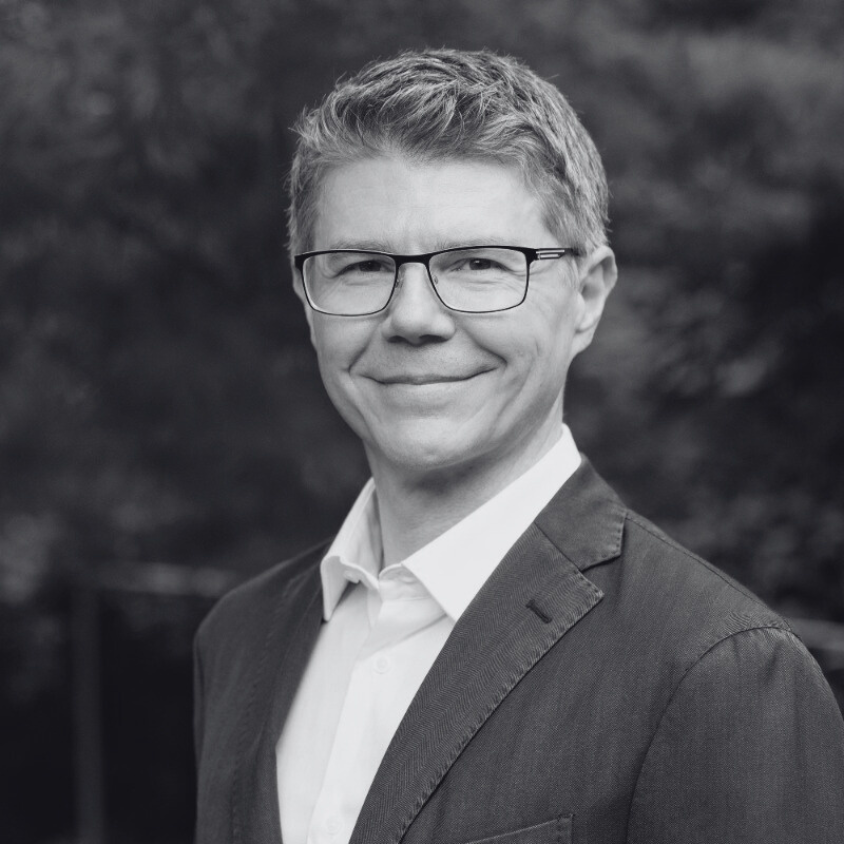
Chief Digital Officer, United Nations Development Programme

Chief Sustainability & Sustainable Investments Officer, CapitaLand Investment

Chair, Lee Kuan Yew Centre for Innovative Cities and Professor of Practice, Singapore University of Technology and Design
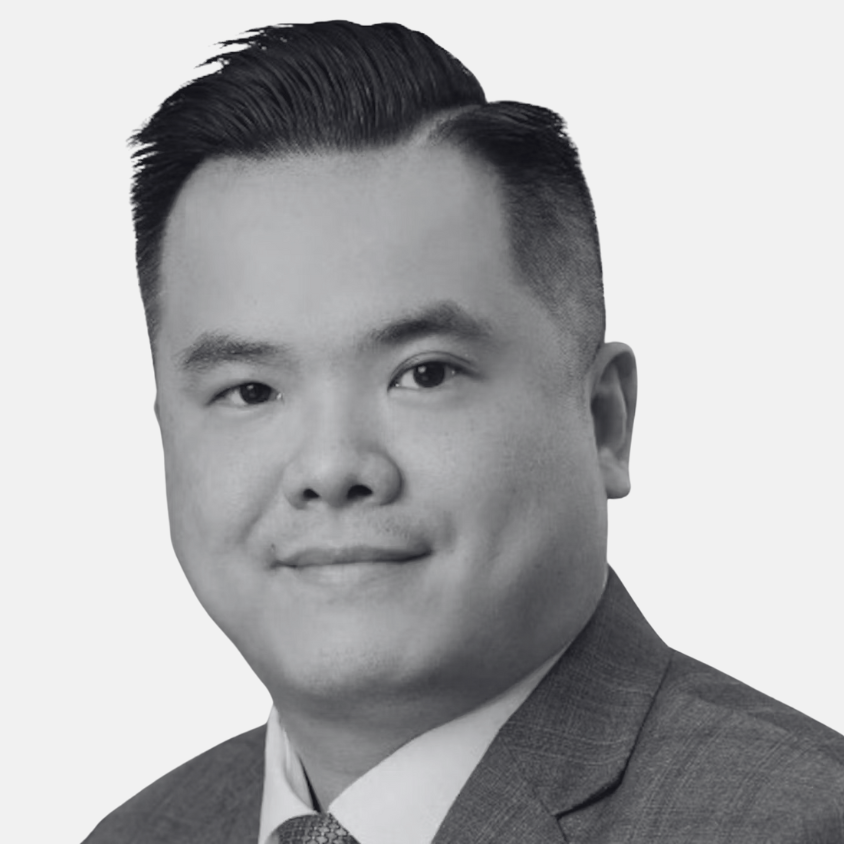
Vice President, Sustainability, Resorts World Sentosa
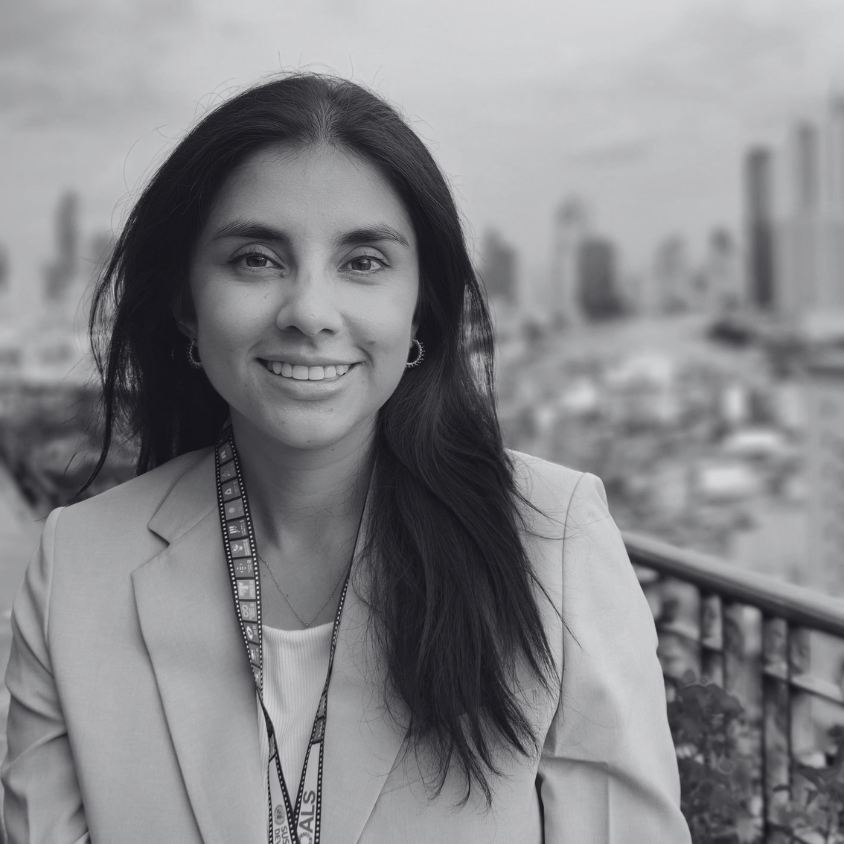
Officer-in-Charge (Acting Head), Global Centre for Technology, Innovation and Sustainable Development, United Nations Development Programme

Sustainable1 Sales Director, ASEAN, S&P Global

Business Development Manager, ASEAN, S&P Global

Co-Founder & CEO, Blue Planet Environmental Solutions
Head of APAC, Water Infrastructure and Climate Adaptation, Ramboll

Country Representative Singapore, Veolia Southeast Asia

Founder and Executive Director, Zero Waste City

Associate Director, Cities, States & Regions, APAC, CDP
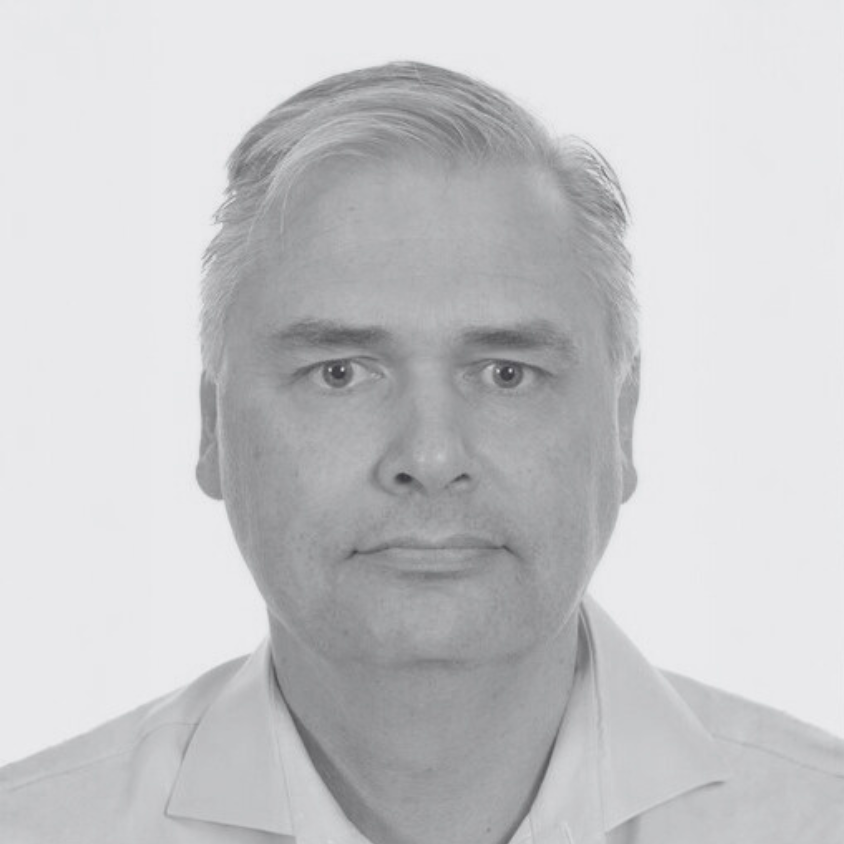
Deputy Head of Mission and Counsellor, Royal Danish Embassy, Singapore
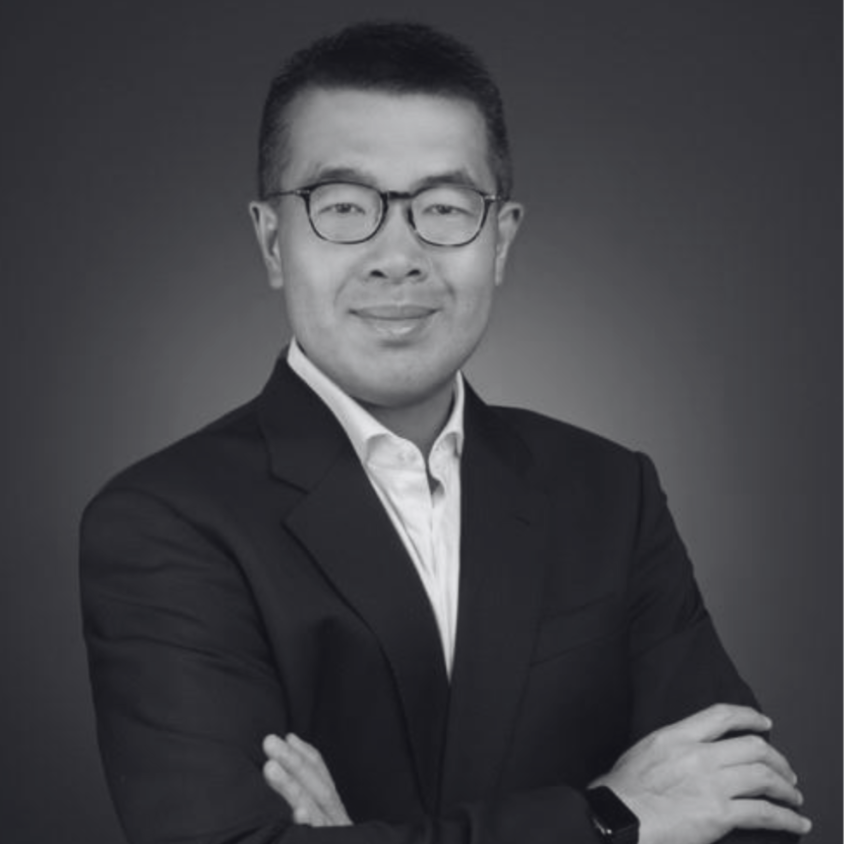
Global Senior Vice President, Univers
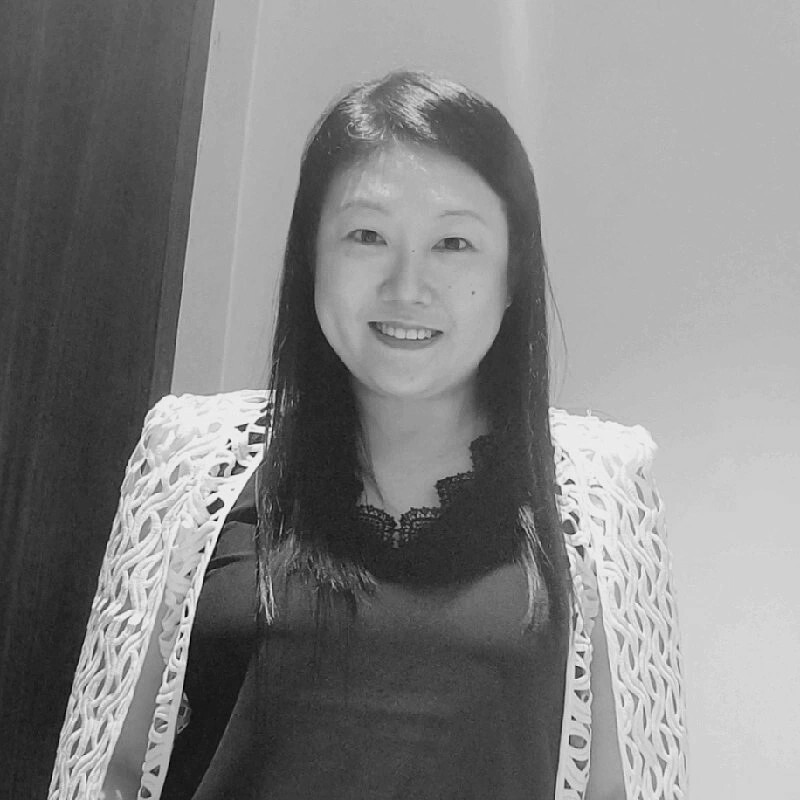
Senior Manager, Sustainability Office, Manufacturing & Connectivity Division, Workforce Singapore

Lead Urban Specialist, The World Bank Group
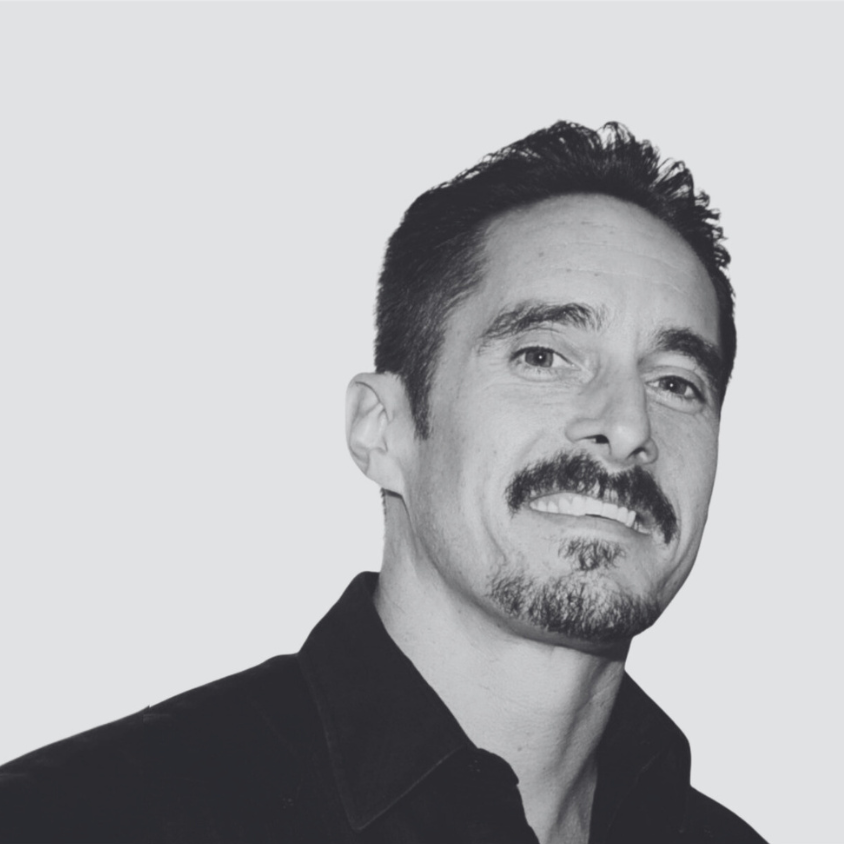
Founder and CEO, Greenview

Sustainability Tourism Scholar

Head of Zurich Resilience Solutions, APAC, Zurich Insurance
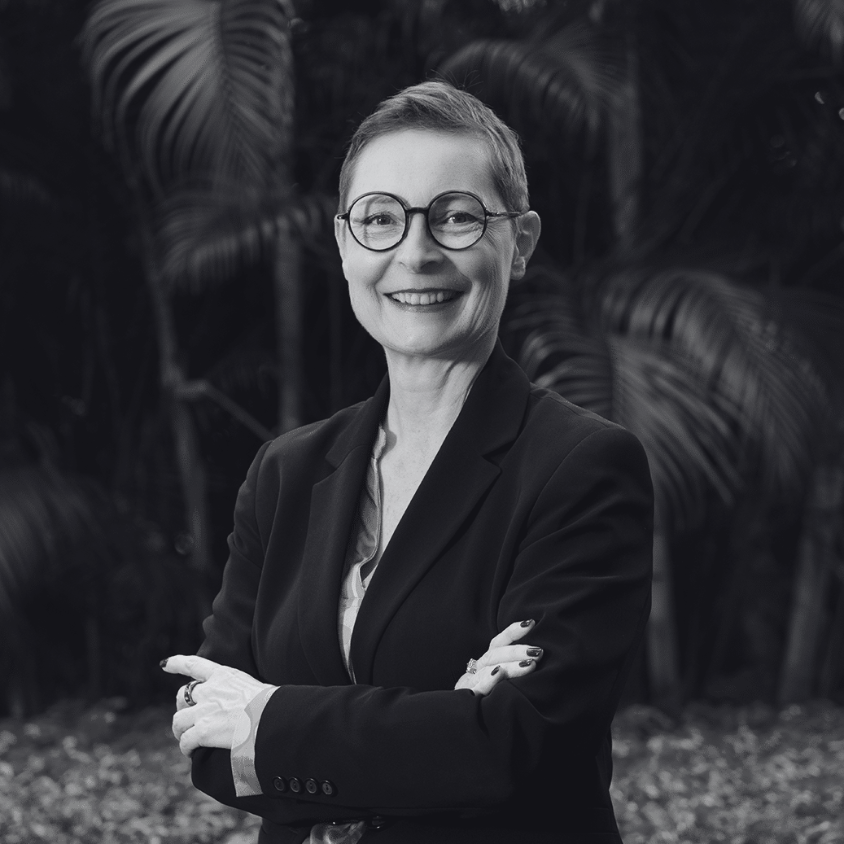
Founding Partner and Chief Financial & Compliance Officer, Circulate Capital
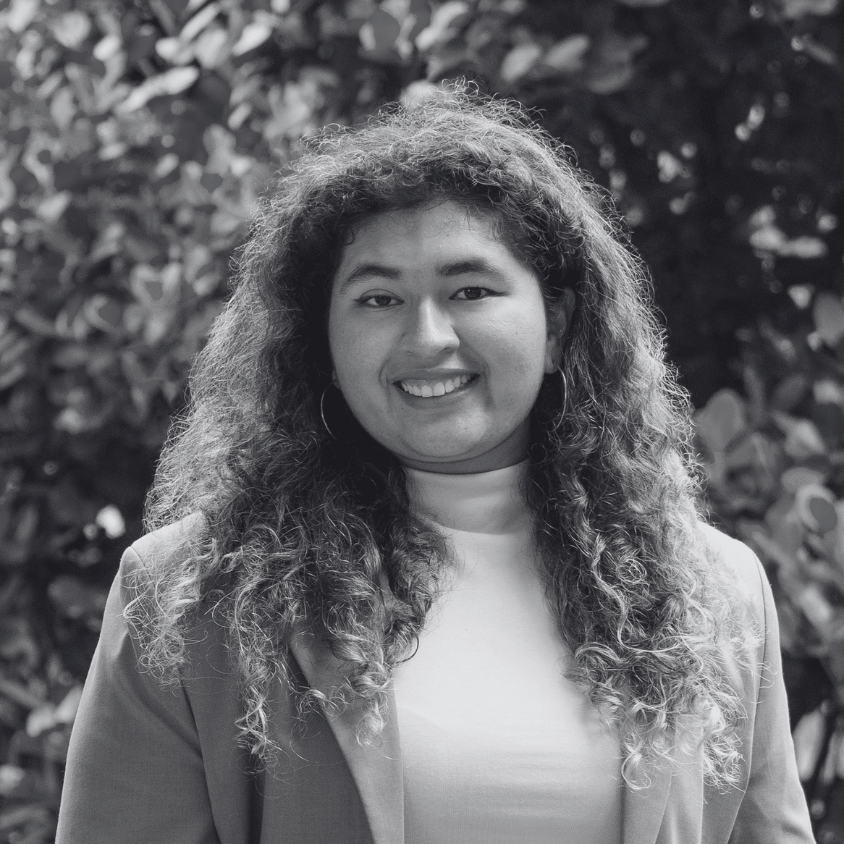
Chief of Staff, Eco-Business

Director of Knowledge, Chandler Institute of Governance

Associate, China Water Business Leader
Agenda
8:30 | Registration
.svg)
9:30 | Opening remarks
Speaker
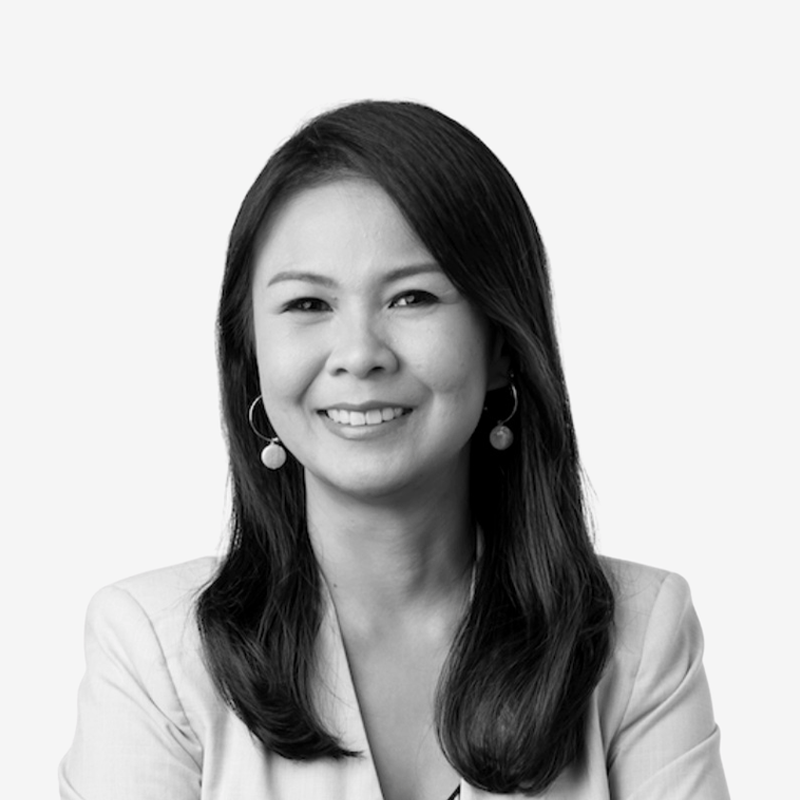
Jessica Cheam
Founder and CEO, Eco-Business
9:45 | Keynote address
Speaker
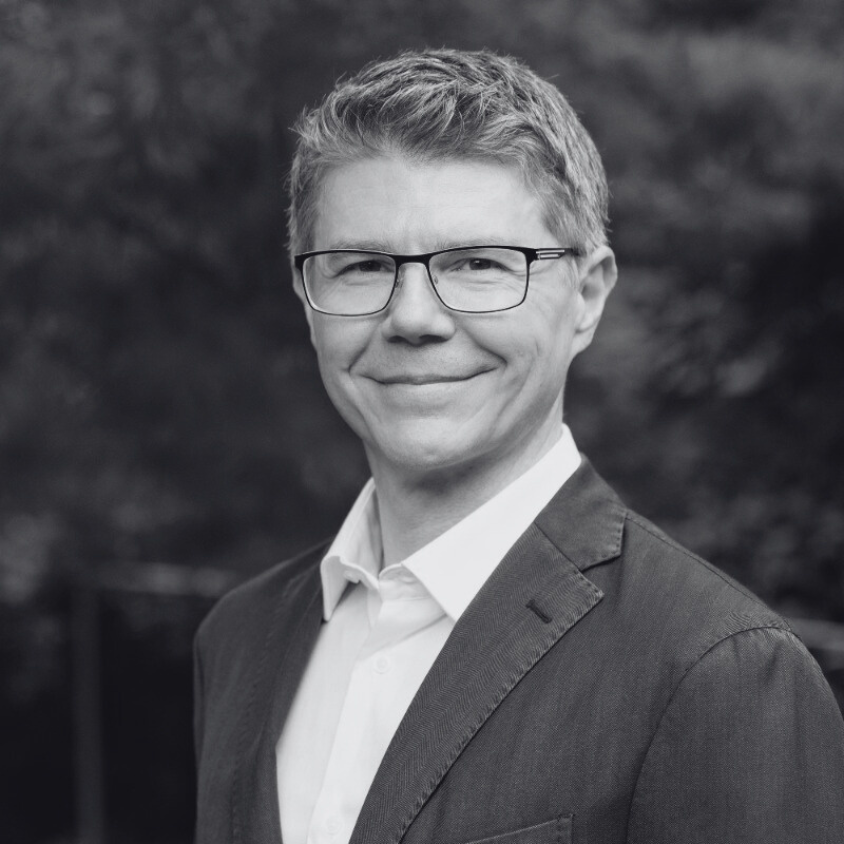
Robert Opp
Chief Digital Officer, United Nations Development Programme
10:00 | Opening plenary — Innovative financing and cities: de-risking investments for urban sustainability
Rapid urbanisation is reshaping Asia, presenting both an urgent challenge and strategic opportunity for sustainable development. Yet delivering climate-resilient, inclusive cities at scale demands trillions in annual investment that most economies still struggle to access. High perceived risks, fragmented regulatory environments, and uncertain returns continue to deter the mobilisation of finance, leaving vital urban infrastructure and services underfunded.
Strategic financial innovation and policy mechanisms can help bridge this gap. Across Asia, innovative approaches are charting the way forward: Singapore’s FAST-P platform blends concessional and commercial capital to de-risk and finance decarbonization and climate adaptation projects. In India, municipal green bonds are powering climate-resilient urban development. Indonesia’s SDG-linked sukuk have mobilised billions for sustainable infrastructure, from flood-resistant housing to low-carbon mobility.
But finance alone is not enough. Unlocking the full promise of urban growth hinges on the right enabling conditions: coherent policy, clear and consistent regulation, transparent metrics and deep stakeholder engagement is critical to anchor long-term investments and public support.
This session brings together financial leaders, urban planners, and developers to explore practical, actionable strategies for transforming Asia’s cities into engines of bankable, inclusive, and sustainable growth.
Speakers
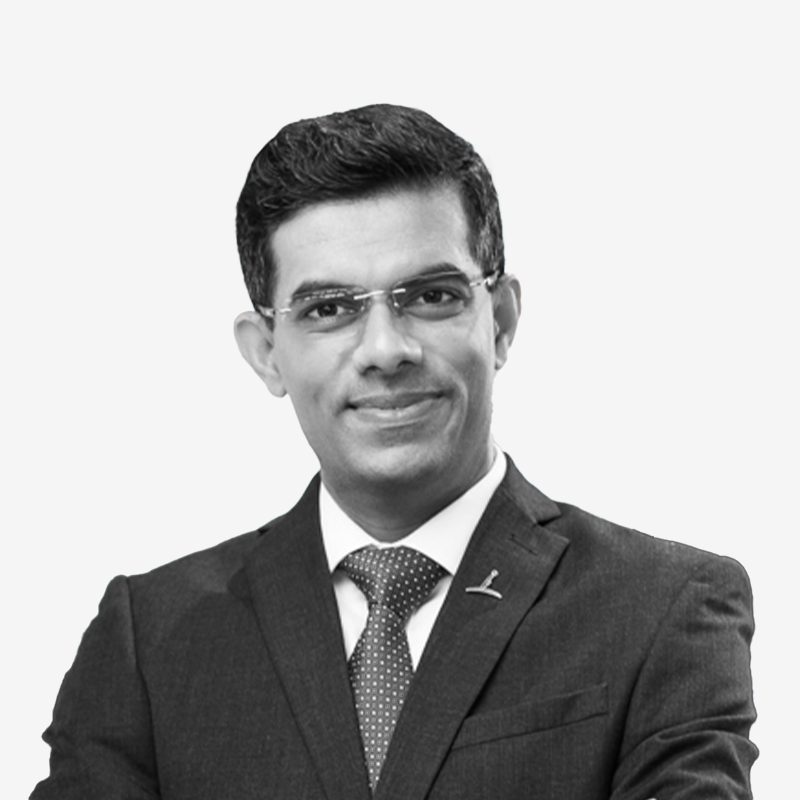
Vinamra Srivastava
Chief Sustainability & Sustainable Investments Officer, CapitaLand Investment
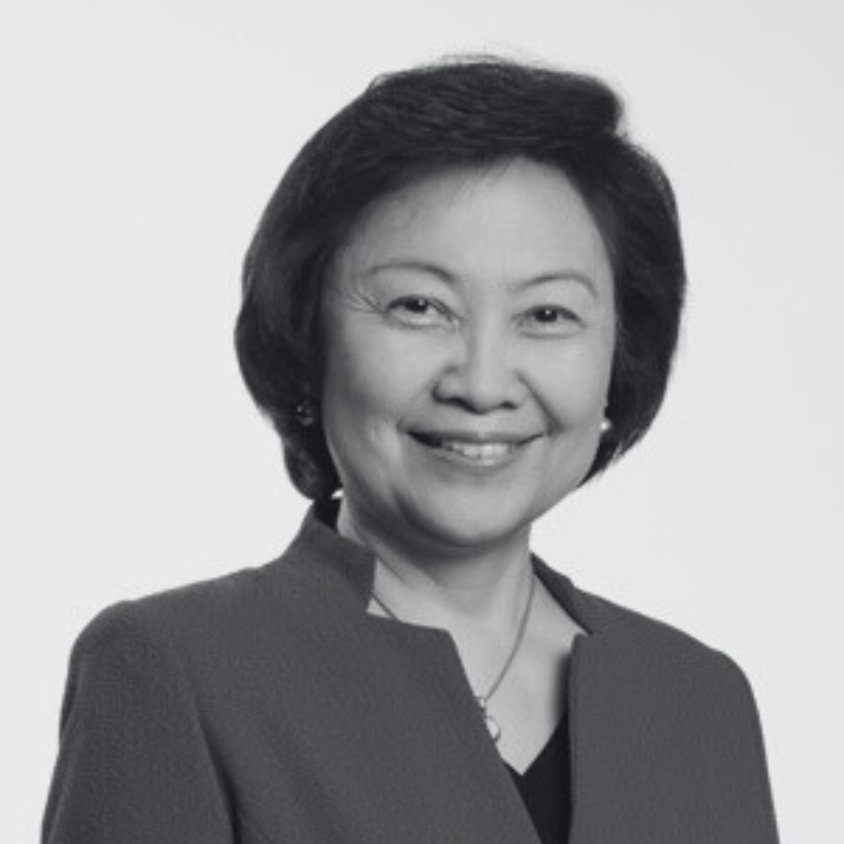
Prof Dr Cheong Koon Hean
Chair, Lee Kuan Yew Centre for Innovative Cities and Professor of Practice, Singapore University of Technology and Design

Andre Bald
Lead Urban Specialist, The World Bank
Moderator
Jessica Cheam
Founder and CEO, Eco-Business
11:00 | Plenary 2 — Sustainable tourism for resilient cities
Tourism is a major driver of global emissions and biodiversity loss, placing immense pressure on urban environments which must balance between economic growth and resource constraints.
But if designed sustainably, tourism can be a powerful catalyst for inclusive urban growth and a springboard for innovation.
Singapore’s Changi Airport is a model for nature-positive urban infrastructure, integrating biodiversity corridors and green spaces to spur tourist visits while restoring urban resilience. In Thailand, community-based tourism initiatives empower residents to co-manage tourism assets, ensuring that sustainable mobility, conservation and cultural benefits sit at the heart of urban communities.
What policy levers, financing structures and cross-sector partnerships are needed to enable cities across Asia to replicate, scale and systemise these successes? How do we rethink governance and infrastructure to manage tourism’s economic, environmental and social trade-offs?
This session convenes leading experts in the space to discuss bold strategies for positioning tourism as an engine for thriving, equitable and climate-positive urban centres.
Speakers
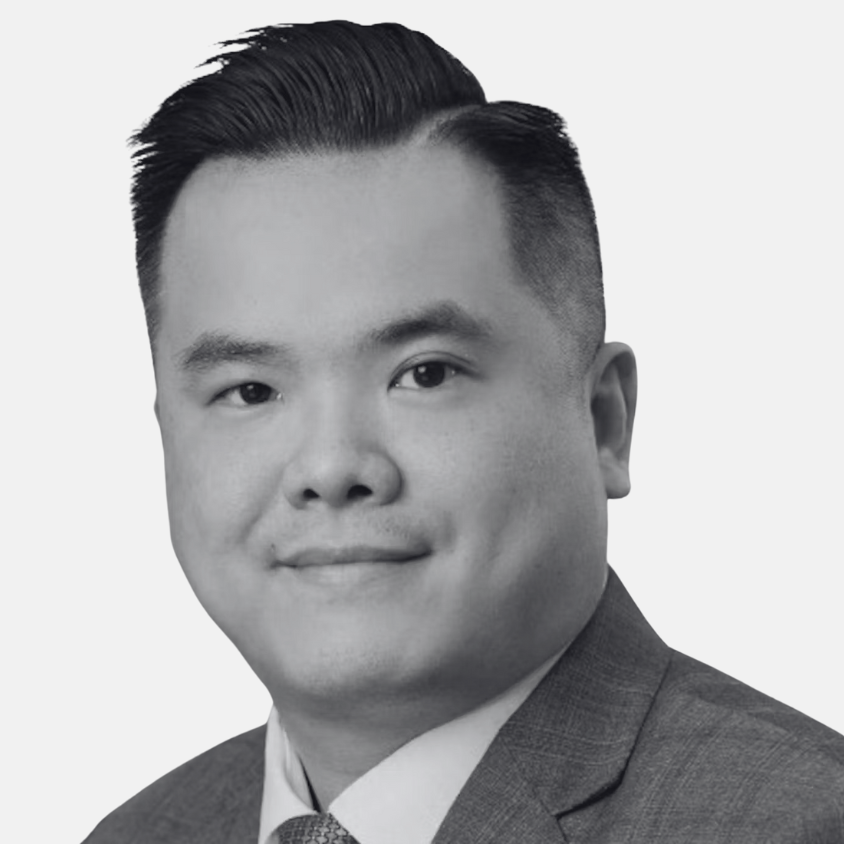
Brian CK Ho
Vice President, Sustainability, Resorts World Sentosa
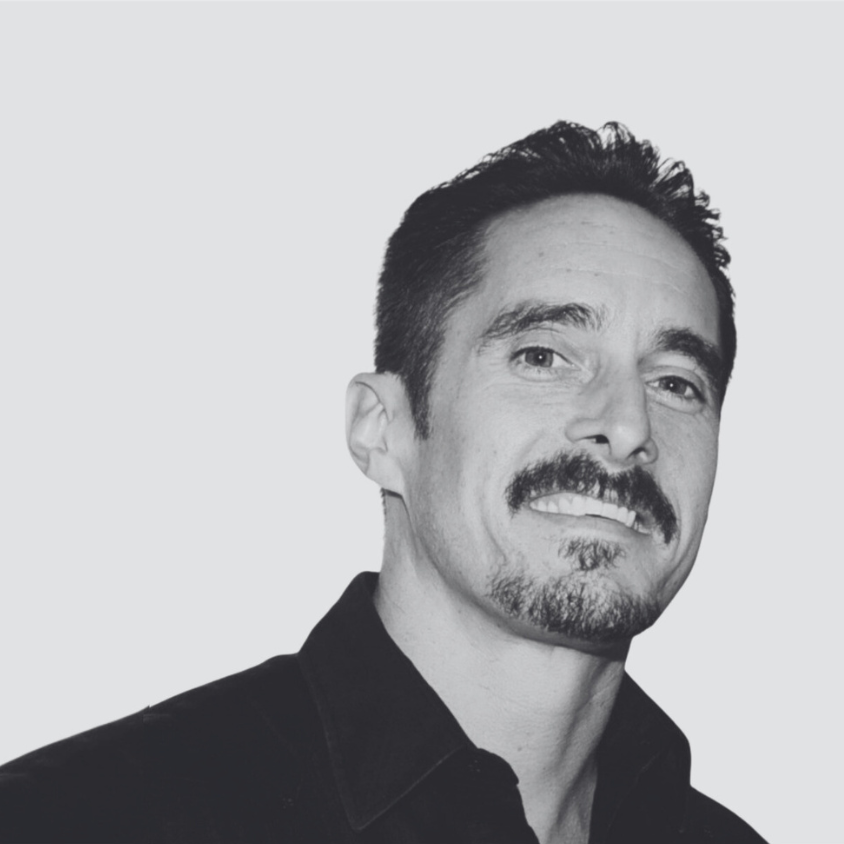
Eric Ricaurte
Founder and CEO, Greenview
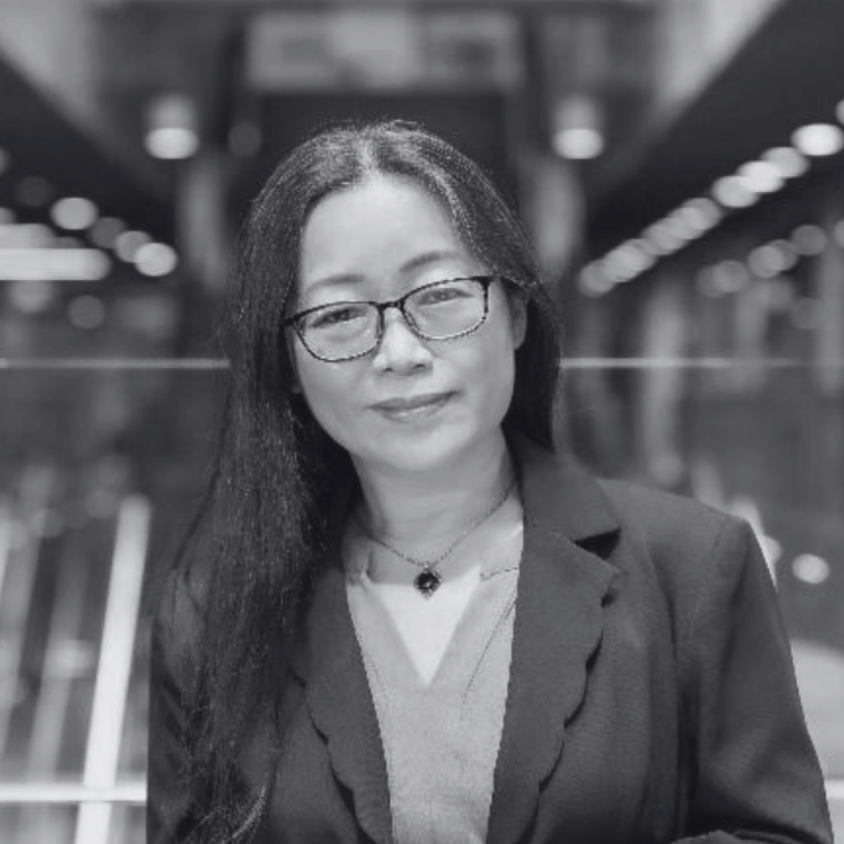
Dr. Jackie Lei Tin Ong
Sustainability Tourism Scholar
Moderator
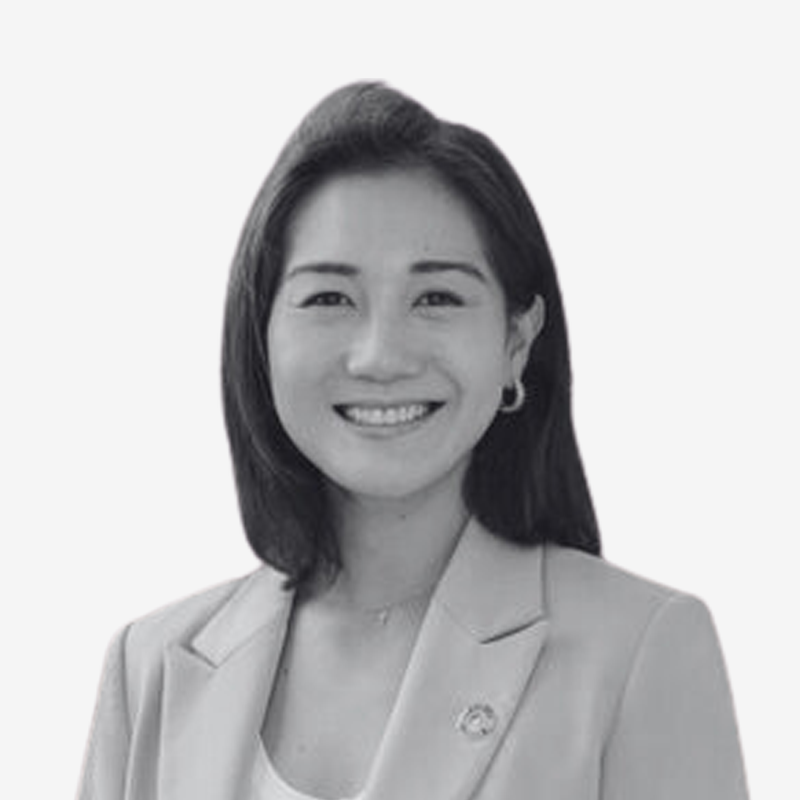
Meaghan See
Chief Commercial Officer, Eco-Business
11:45 | Cities: Insights
Speaker
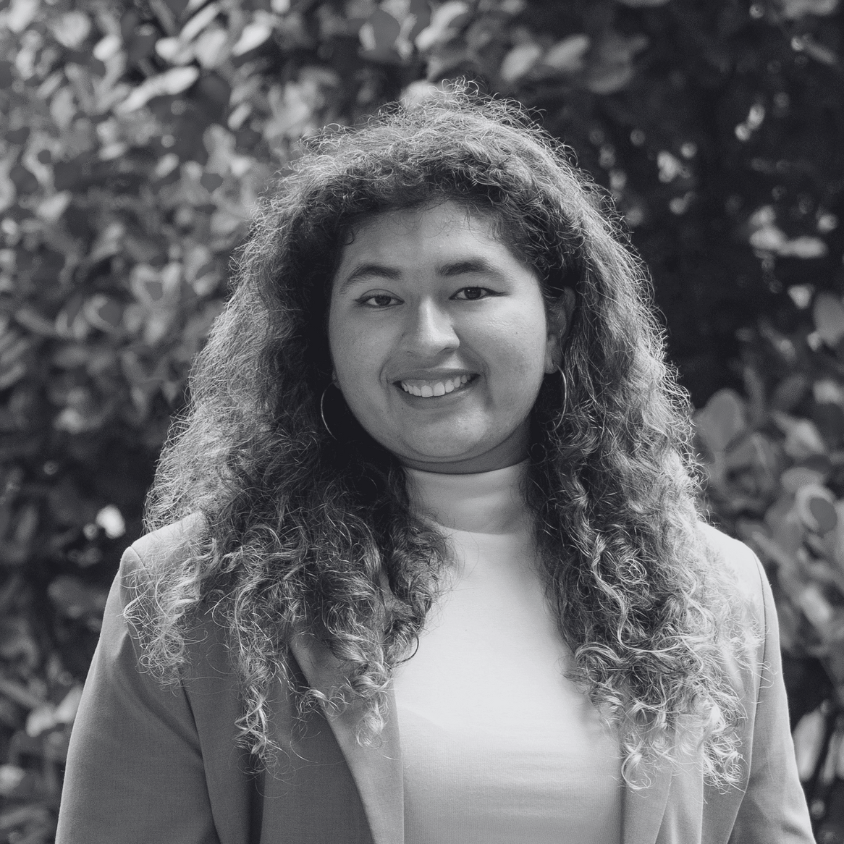
Shirin Keshvani
Chief of Staff, Eco-Business
12:00 | Networking lunch
13:15 | Redesigning sustainability roles for a resilient future: Aligning business, talent, and purpose
Speaker
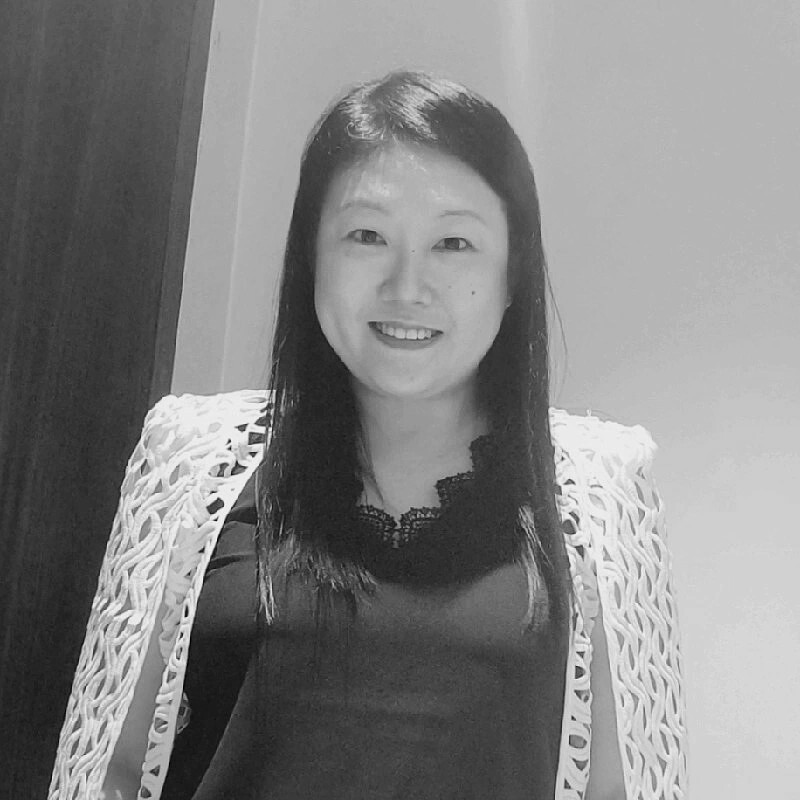
Phua Pek Lin
Senior Manager, Sustainability Office, Manufacturing & Connectivity Division, Workforce Singapore
13:45 | Breakout session – Beneath the surface: water stress and temperature extremes in data centres
Data centres (DCs) that use water-based cooling consume significant amounts of water. As companies build DCs to meet rising AI demand, water stress and temperature extremes are evolving considerations when choosing the location for these assets. Based on S&P Global Sustainable1 Physical Risk and S&P 451 DCKB datasets, our analysis shows that 43 per cent of DCs globally are operating in areas of high-water stress in the current decade. Some regions with substantial DC growth prospects are already experiencing high water stress. In India and Australia, for example, 60 per cent to 80 per cent of their operating DCs are projected to face high water stress this decade.
In this breakout session, S&P Global Sustainable1 will look at quantifying the financial impacts of climate-related physical risk hazards such as water stress, temperature extremes and flooding using DCs as a case study and how to embed these risks into global decision-making, helping investors and corporations lead their organisations confidently to a more resilient future.
Speakers

Cheryl Tay
Sustainable1 Sales Director, ASEAN, S&P Global

Ho Jun Hui
Business Development Manager, ASEAN, S&P Global
13:45 | Breakout session – Water-positive cities: from resiliency to coastal protection
Cities across Asia are on the frontlines of climate change, facing rising sea levels and soaring temperatures that threaten livelihoods, urban infrastructure, and access to clean water.
By 2050, as many as 685 million urban residents worldwide could see a decline in freshwater availability, according to the C40 Cities Climate Leadership Group. Traditional mitigation efforts are falling short, and the cost of adaptation in developing countries—already reaching hundreds of billions—could double within the next 25 years.
To build resilience, cities must move beyond managing scarcity toward becoming water-positive—restoring watersheds, capturing rainfall and regenerating their natural systems. This shift transforms vulnerability into an opportunity for economic growth, ecological renewal, and climate security.
Cities across the region are already pioneering such approaches. Singapore’s ‘Four National Taps’ water management and diversification strategy has been globally recognised for its efficiency and resilience. China’s modular, decentralised water treatment systems for the cornerstone of the country’s climate resilience strategy.
This session gathers leading experts and practitioners to explore the governance models, nature-based designs and financing mechanisms that can accelerate Asia’s transition to water-positive cities. How can urban systems better protect coasts and mitigate flood risks? And how can local communities—especially the most vulnerable—be meaningfully involved in co-designing solutions that ensure water security for all?
Speakers
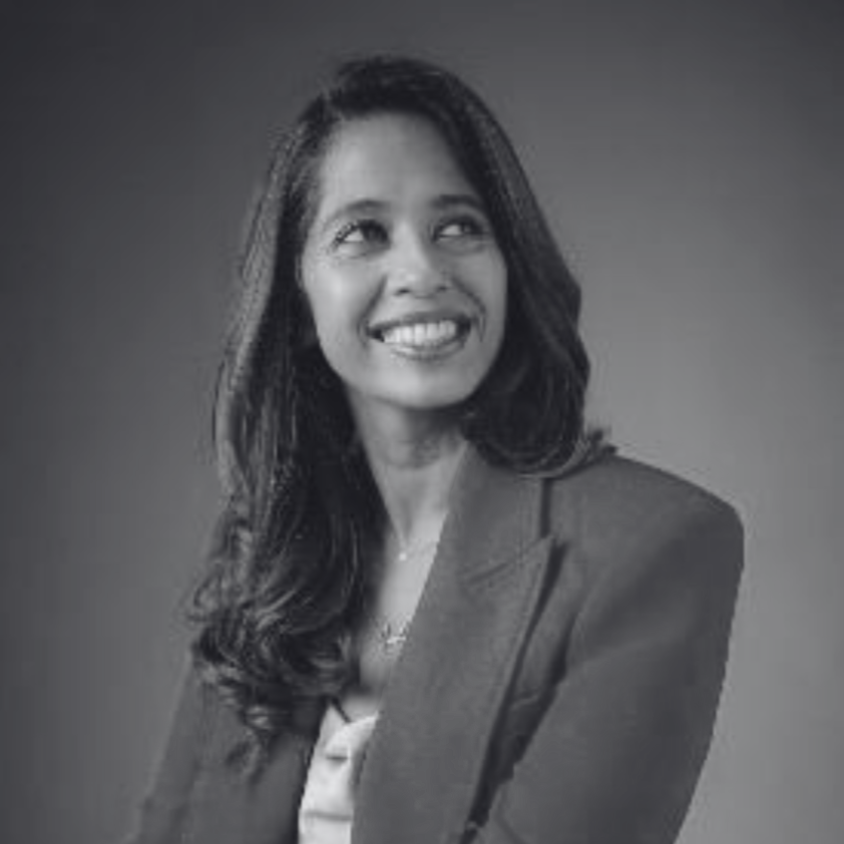
Pritha Hariram
Head of APAC, Water Infrastructure and Climate Adaptation, Ramboll

Mark Fletcher
Head of Zurich Resilience Solutions, APAC

Michael Zhao
Associate, China Water Business leader, ARUP
Moderator
Jessica Cheam
Founder and CEO, Eco-Business
14:30 | Plenary 3 – Innovations for a resilient, circular economy
At 800 million tonnes per year, Asia is the largest waste-producing continent in the globe as rapid urbanisation and consumption outpace waste management capacity.
From increasing emissions to littering oceans, the waste crisis is emerging as the foremost threat for urban sustainability in the region.
Breakthroughs in smart waste tech and closed-loop, circular systems provide Asian cities the opportunity to turn this crisis into an opportunity – slashing emissions, creating new jobs and recovering valuable resources from what would otherwise end up at landfill.
From Japan’s circular cities to harnessing artificial intelligence for smarter and cost-efficient waste management solutions across cities in India, technology is a powerful enabler for cleaner and more resilient cities.
The challenge is building regulatory and policy mechanisms to spur long-term investment into urban innovation while ensuring scalability. Critically, solutions will need to ensure informal workers benefit from these tech-driven systems rather than being displaced by them.
This session convenes key urban stakeholders to determine pathways to design inclusive, tech-powered and zero-waste cities.
Speakers
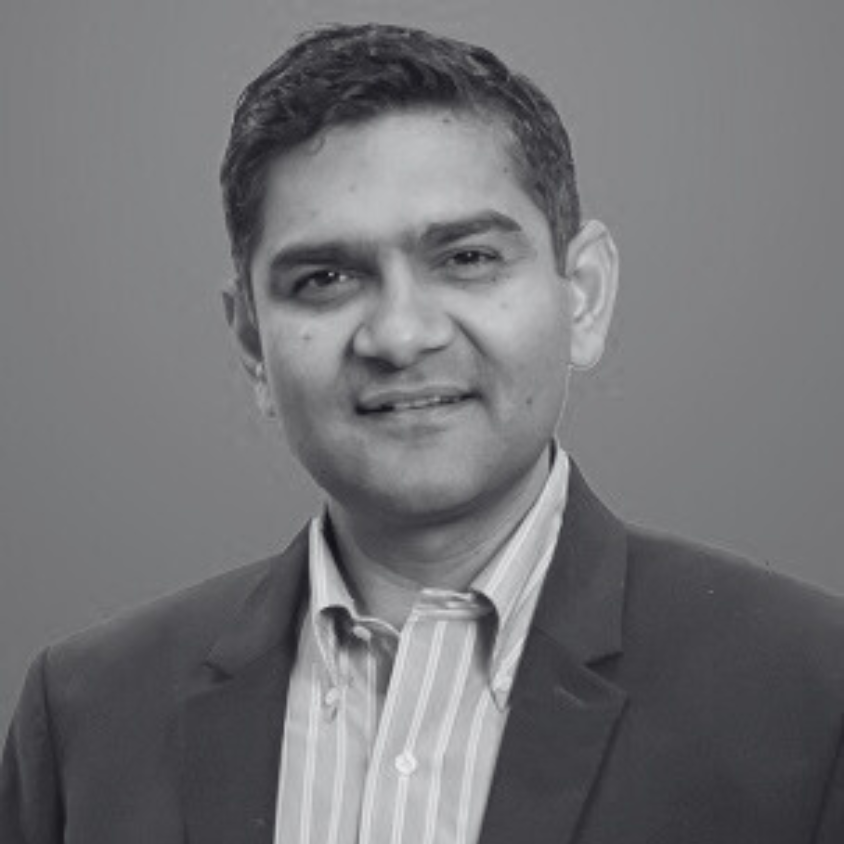
Prashant Singh
Co-Founder & CEO, Blue Planet Environmental Solutions
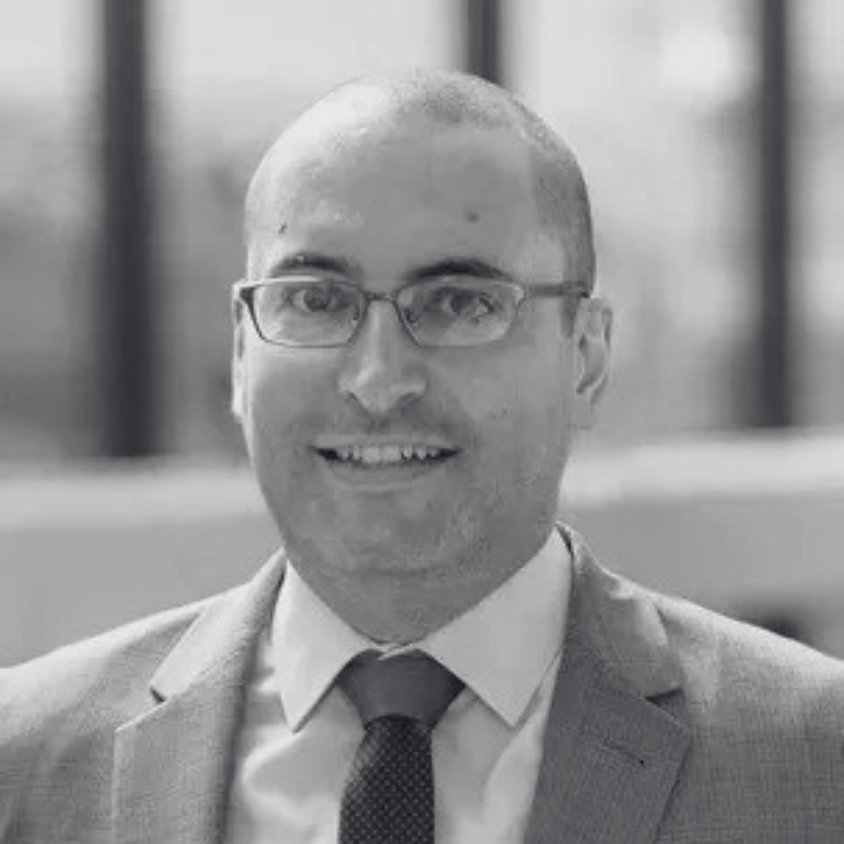
Matt Stanelos
Country Representative Singapore, Veolia Southeast Asia
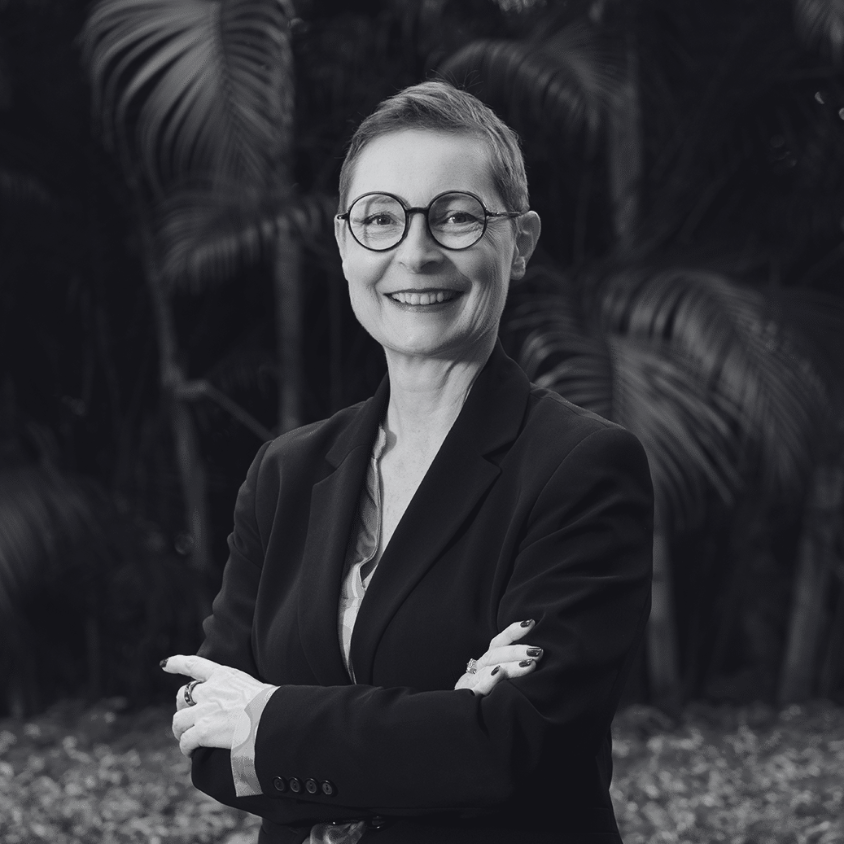
Regula Schegg
Founding Partner and Chief Financial & Compliance Officer, Circulate Capital
Moderator

Rémi Cesaro
Founder and Executive Director, Zero Waste City
15:15 | Closing plenary – Building smart and resilient cities in a fragmented world
Asian cities are facing unprecedented challenges as geopolitical tensions continue to intensify and reshape global trade flows. While economic rivalries and increasing protectionism threaten to slow cross-border collaboration, cities across Asia Pacific continue to advance progress on building smart and resilient urban networks.
From the ASEAN Smart Cities Network to the C40 Cities Finance Facility to harness tech-driven sustainability solutions and spur investment in urban climate resilience projects, Asia is poised to lead the way on urban sustainability.
The next course of action will be building strong, collaborative governance mechanisms around these smart and regional initiatives, especially in era of increased global fragmentation and uncertainties, and channelling long-term financial flows.
Liveability and social equity will also need to be prioritised to ensure the benefits of these smart and resilient cities reaches all strata of society.
This session convenes key decision-makers across government, finance and industry to chart collaborative pathways for urban resilience in an era of heightened divisions.
Speakers
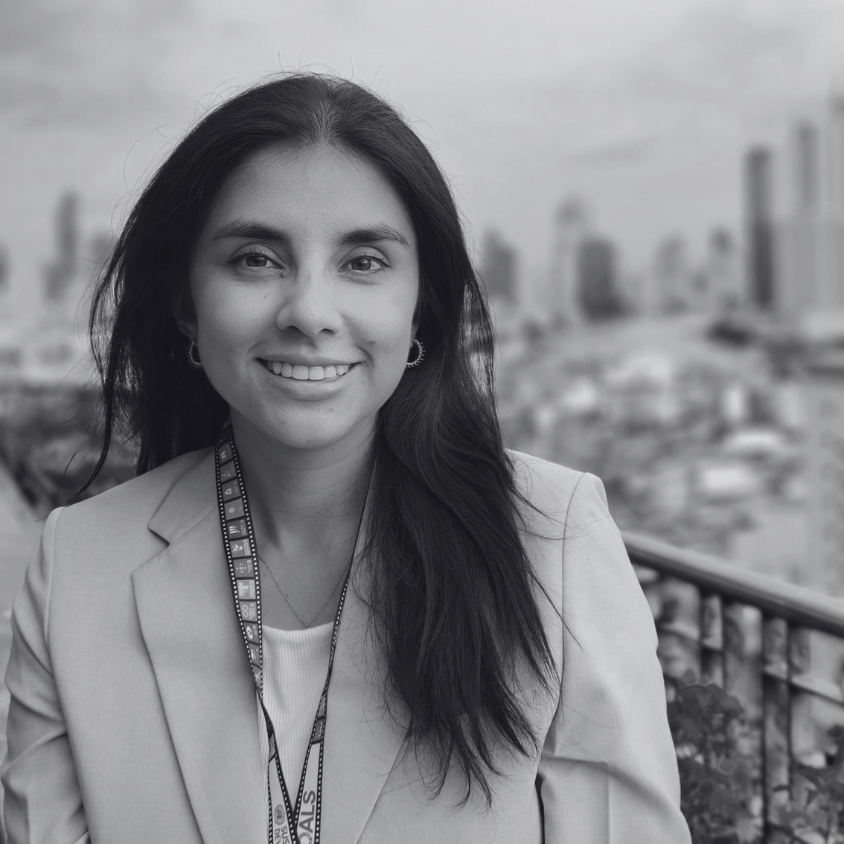
Carla Gomez Briones
Officer-in-Charge (Acting Head), Global Centre for Technology, Innovation and Sustainable Development, United Nations Development Programme
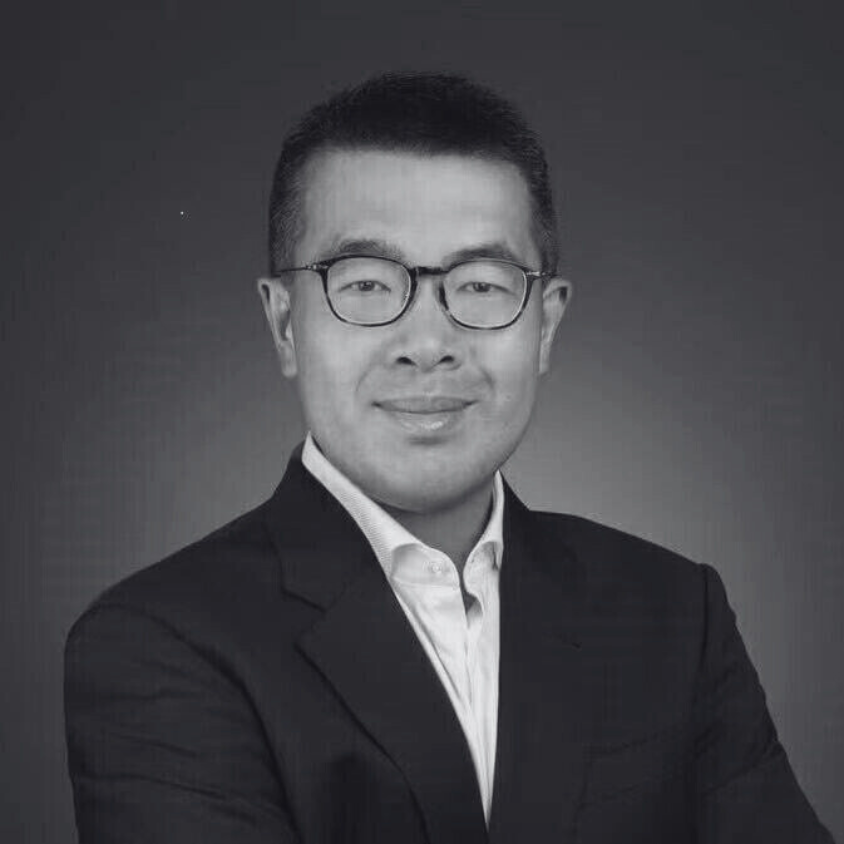
Chun Yin Mak
Global Senior Vice President, Univers

Karishma Kashyap
Associate Director, Cities, States & Regions, APAC, CDP
Moderator
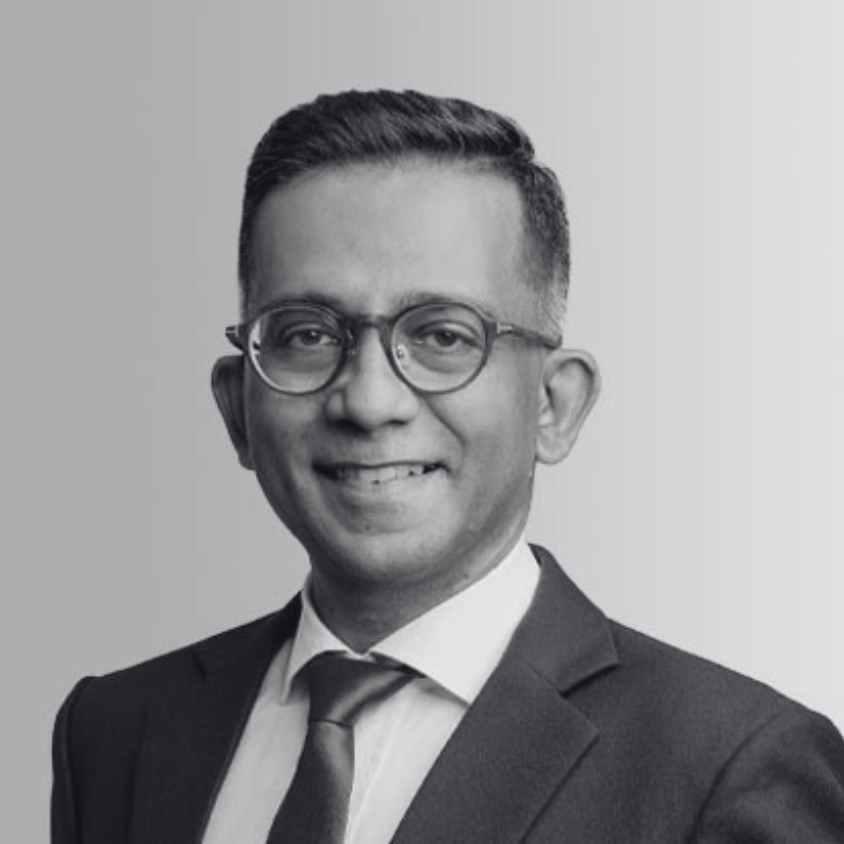
Dinesh Naidu
Director of Knowledge, Chandler Institute of Governance
16:00 | Closing keynote
Speaker
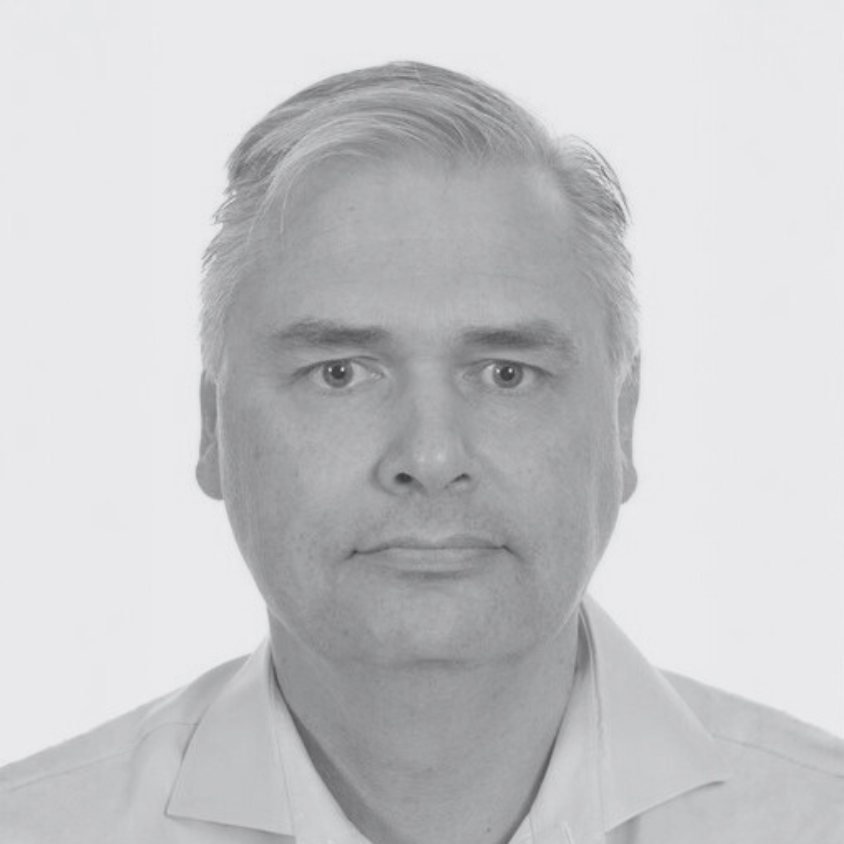
Rasmus Grand Bjørnø
Deputy Head of Mission and Counsellor, Royal Danish Embassy, Singapore
16:15 | Closing remarks
16:30 | Networking cocktails
Partners
Strategic Partner

CapitaLand
CapitaLand Group (CapitaLand) is one of Asia’s largest diversified real estate groups. Headquartered in Singapore, CapitaLand’s portfolio focuses on real asset management and real estate development, and spans across 270 cities in 45 countries.

United Nations Development Programme
UNDP is the leading United Nations organization fighting to end the injustice of poverty, inequality, and climate change.
.png)
Zurich Resilience Solutions
Zurich Resilience Solutions is a global leader in risk management. We partner with businesses and communities to identify and quantify exposure to risk and drive mitigating actions that help organizations to go forward with confidence. Through everyday risks impacting infrastructure, people and property, to emerging risks around climate change and cybersecurity, our experts are at the forefront of today’s world of volatility.
Venue Partner
.png)
Resorts World Sentosa
Resorts World Sentosa (RWS), Asia’s premium lifestyle destination resort, is located on Singapore’s resort island of Sentosa.
Supporting Partner

S&P Global
S&P Global Sustainable1 is the central source for sustainability intelligence from S&P Global. Sustainable1 matches customers with the ESG products, insights and solutions from across S&P Global’s divisions to help meet their unique needs.
Workforce Singapore
Workforce Singapore (WSG) is a statutory board under the Ministry of Manpower dedicated to building a competitive, inclusive, resilient and employable workforce.
Outreach Partner

Singapore Green Building Council
The Singapore Green Building Council (SGBC) enables sustainability across the building and construction value chain, championing capability development and innovative solutions that support industry transformation through our Membership, Certification and outreach programmes.

GNA
Green Network Asia is a purpose-driven and independent digital media company and public affairs consultancy envisioned to create an ecosystem of shared value for sustainable development.
Register
Cities: Possibilities 2025 – Singapore
Cities: Possibilities is an annual flagship forum organised by Eco-Business that convenes strategic decision makers to discuss the latest developments in creating sustainable cities and communities.
Now in its ninth year, Cities: Possibilities 2025 will explore unlocking true transformation through bold, cross-sector partnerships - connecting governments, financiers, planners, business and civil society, and fostering cross-border and regional collaboration.
In 2025, the forum expands across two countries: 18-19 November in Malaysia and 26 November in Singapore. Register below to join us at your preferred forum.
Ticketing details:
We invite you to register your interest. Attendance confirmation will be extended following the event committee’s review and approval.
Cities: Possibilities Malaysia
Day 1 - 18 November 2025
Day 2 (masterclass) - 19 November 2025
Cities: Possibilities Singapore
26 November 2025